2019
1
Consumer Industry
35 - 45 CW
30s/pc
Cat. 250k - 350k EUR
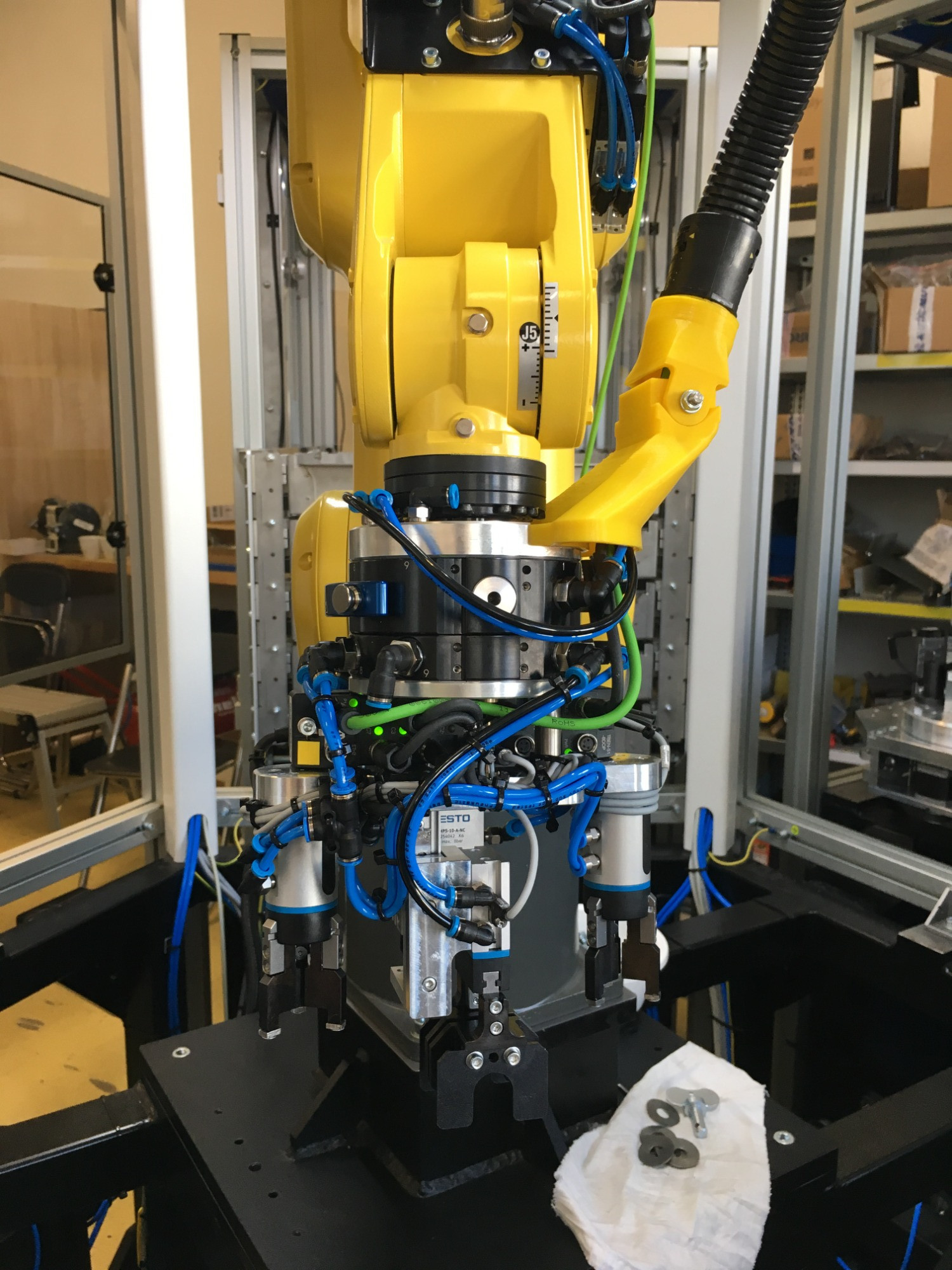
Handling, Measuring, Camera guidance, Adhesive application, Output inspection, Assembly, Pressing, Packaging, Palletizing
Fanuc, Keyence, Siemens, Festo, Schunk
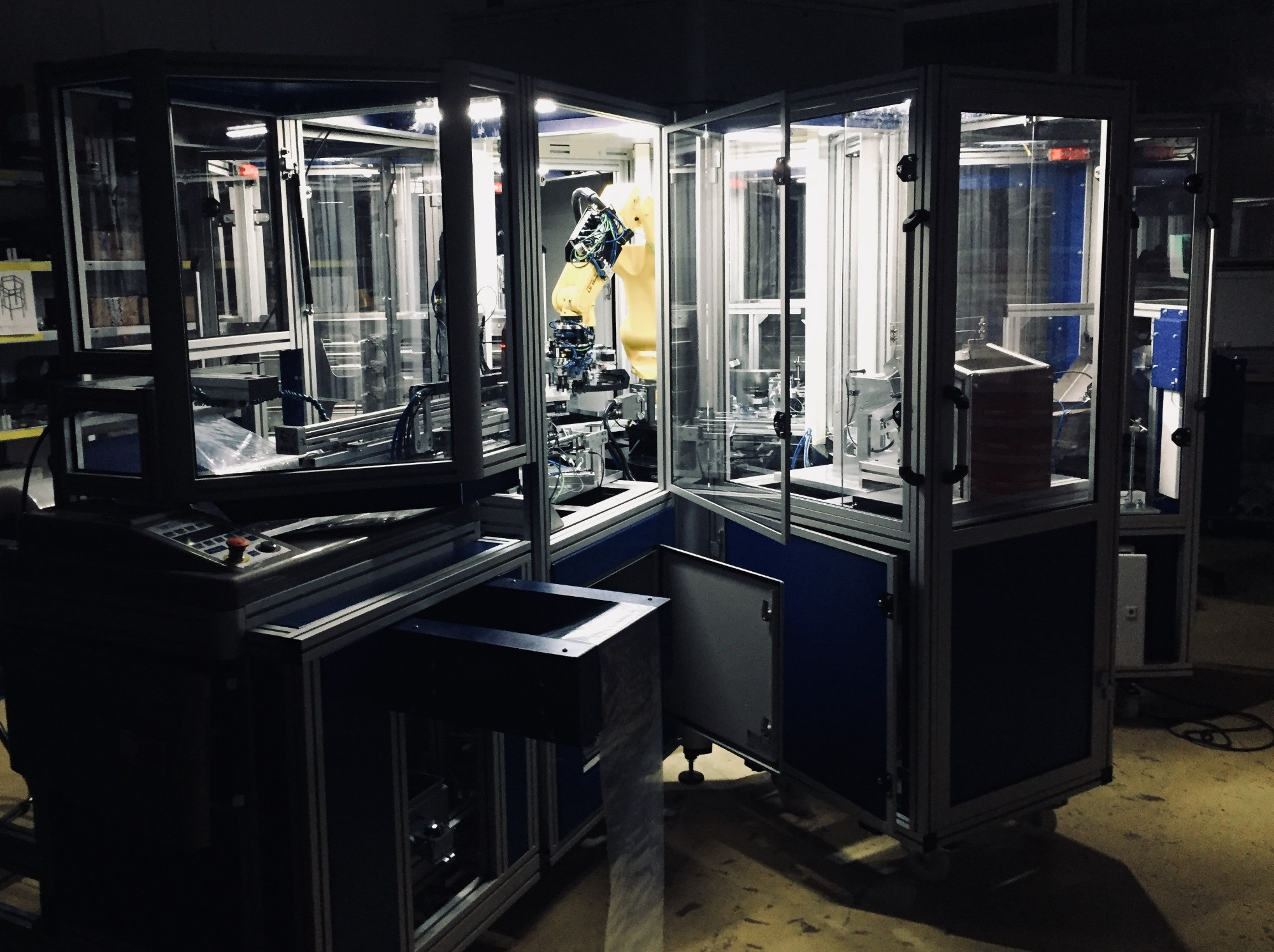
A customer manufactures a safety feature that holds electrical equipment at a height above a stage where people are present. To ensure safety, the element needs to be checked against human factors failure of assembly. Due to the lack of workers in the market, despite the small batch production process, it was decided to automate the production thanks to the possibility of using the HXG platform.
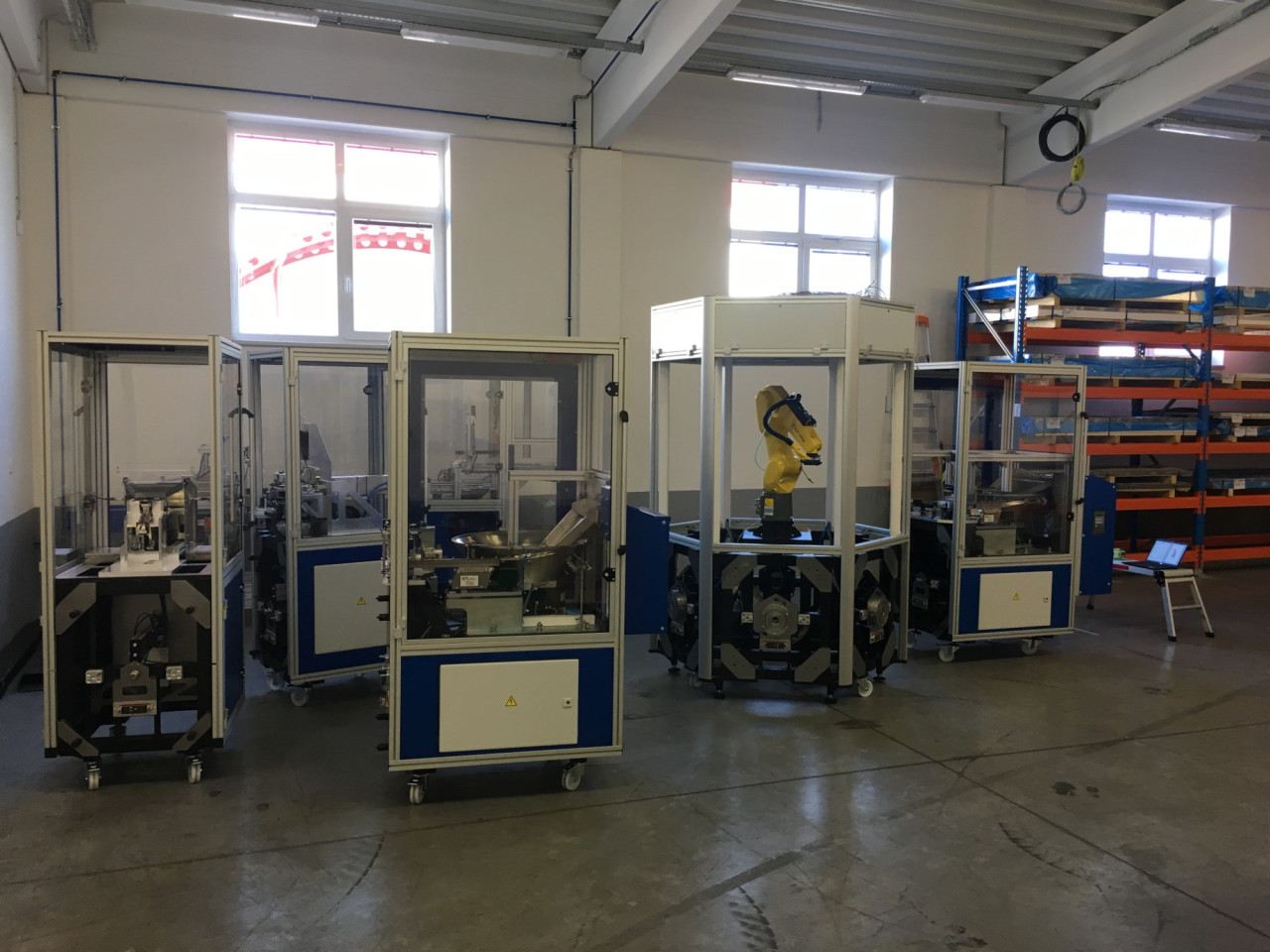
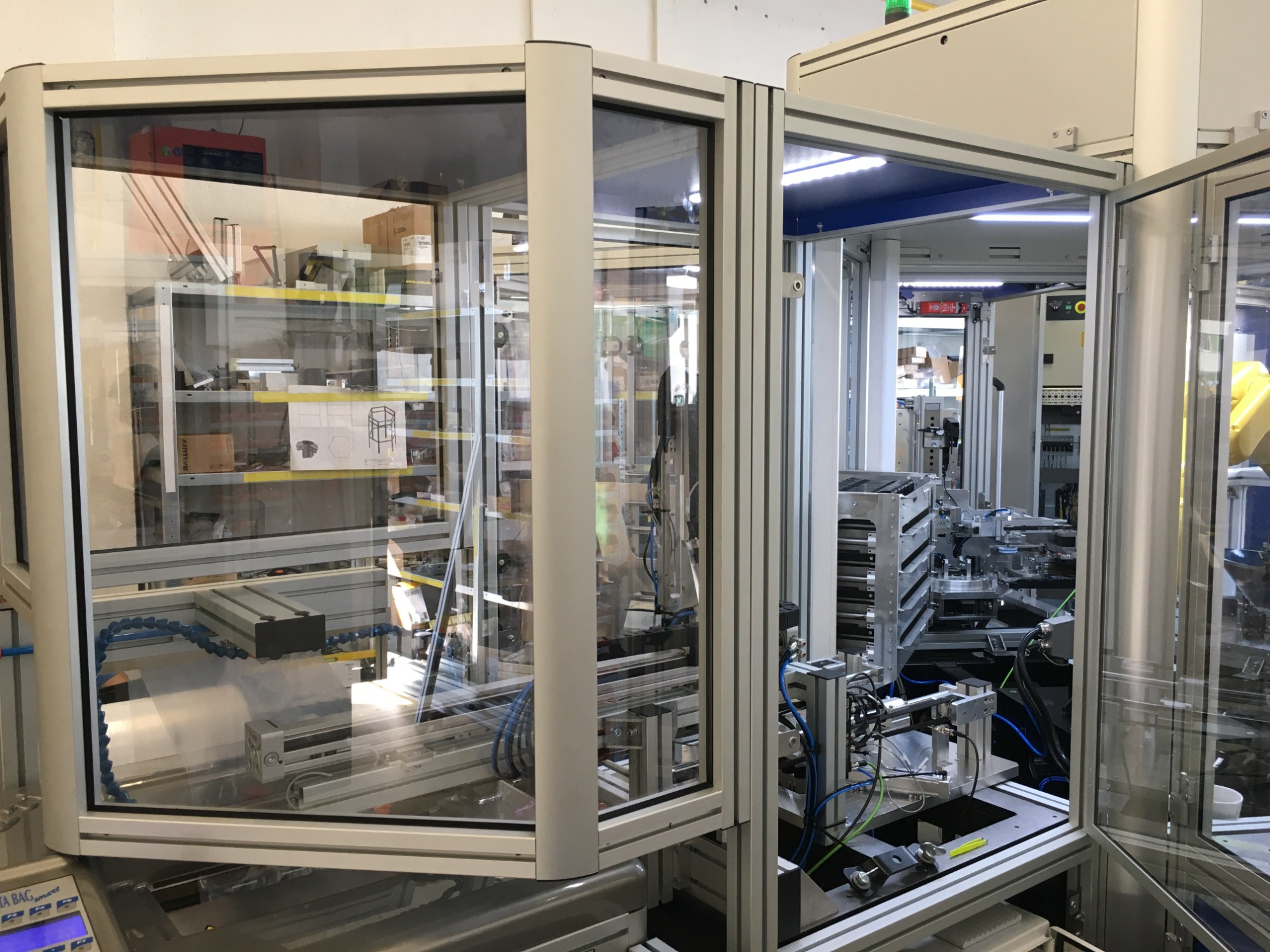
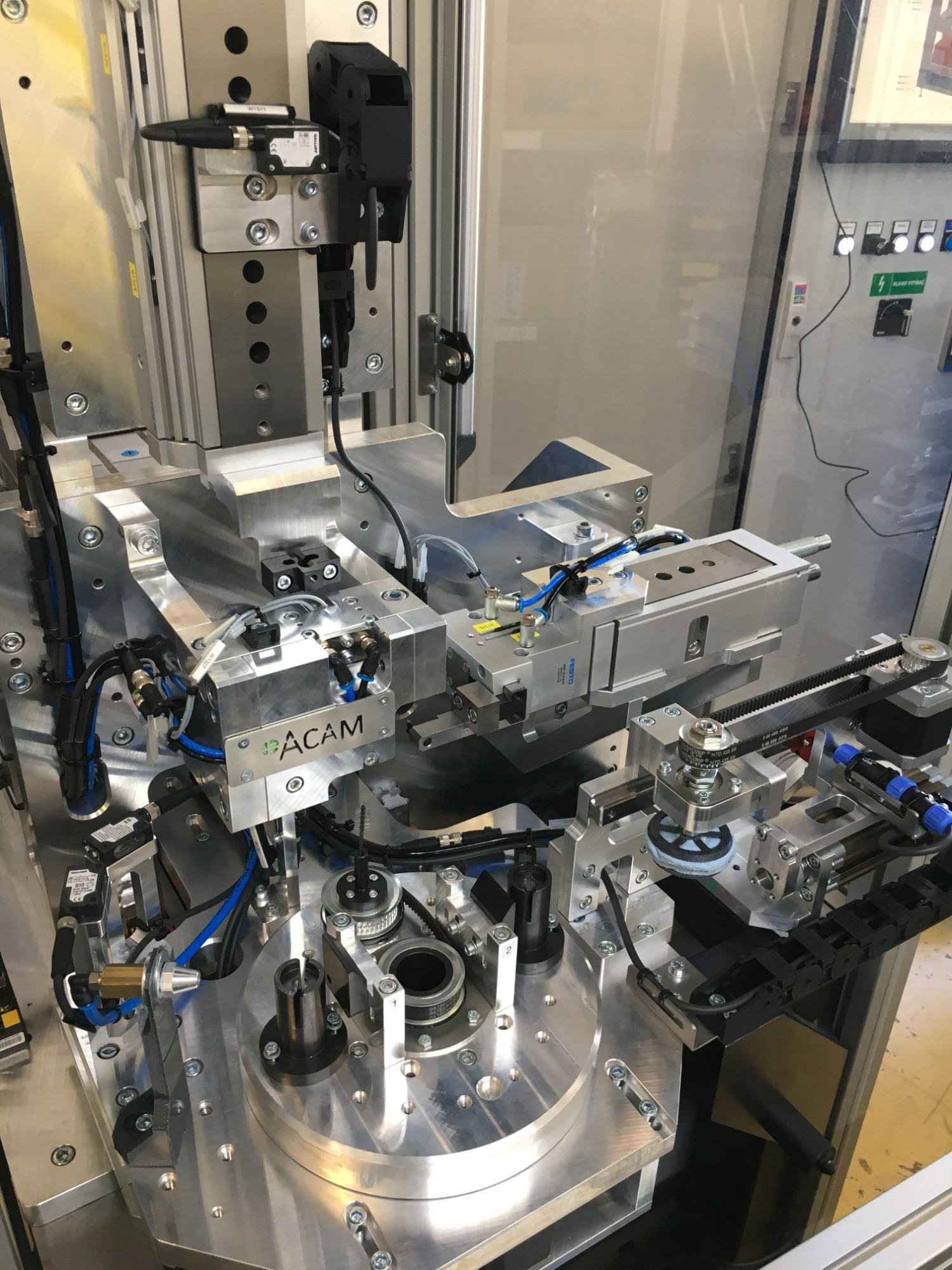
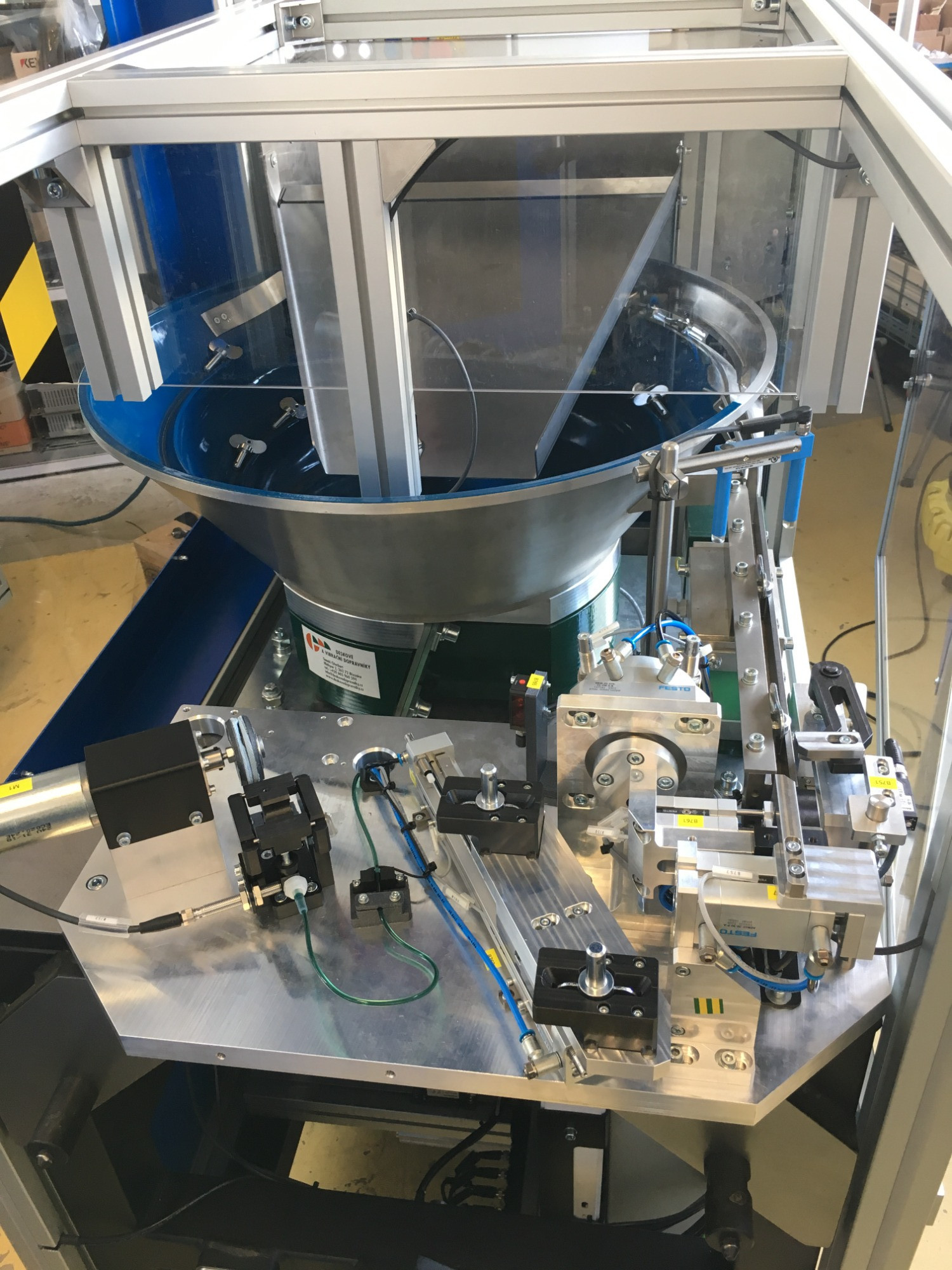
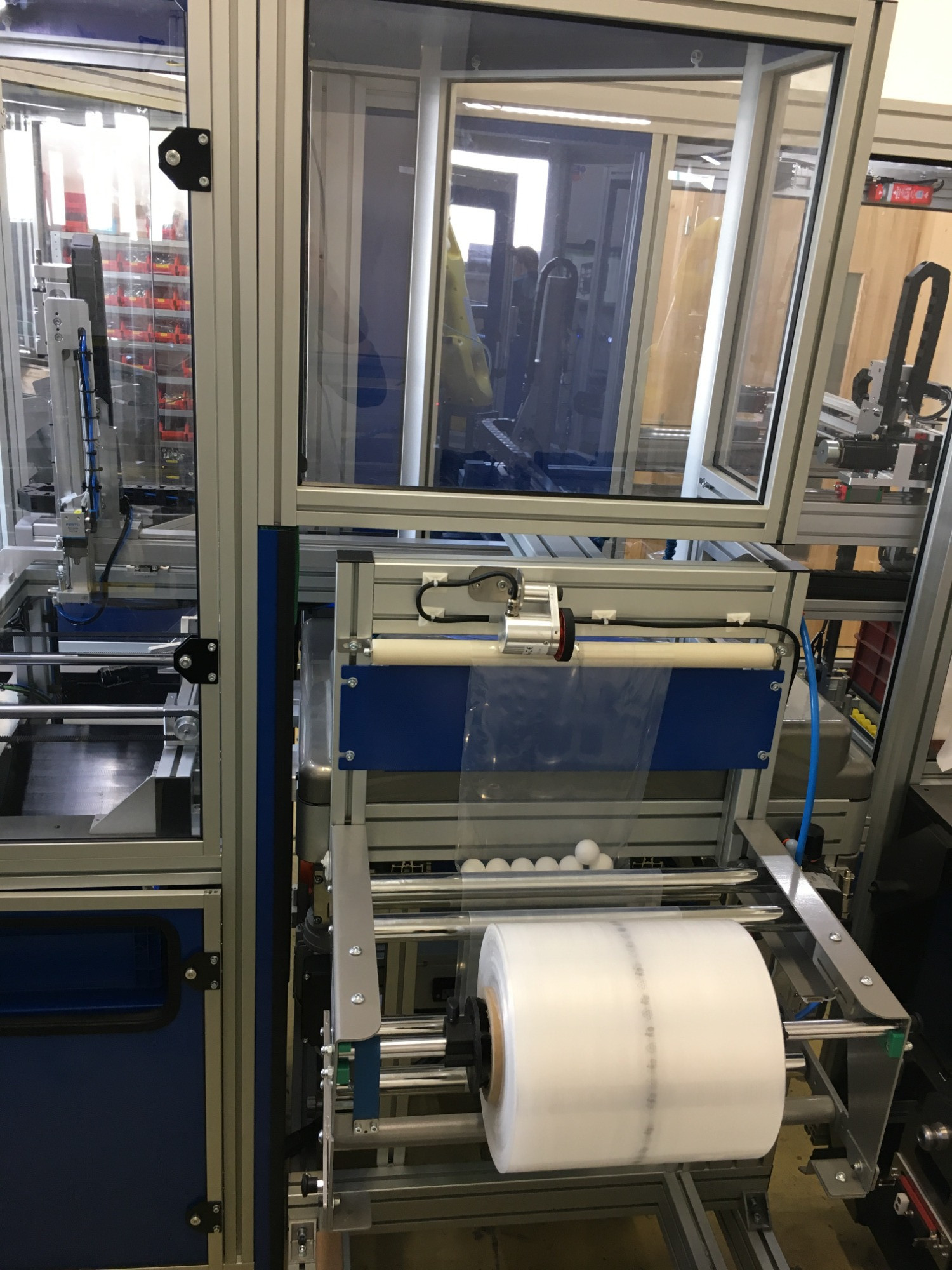
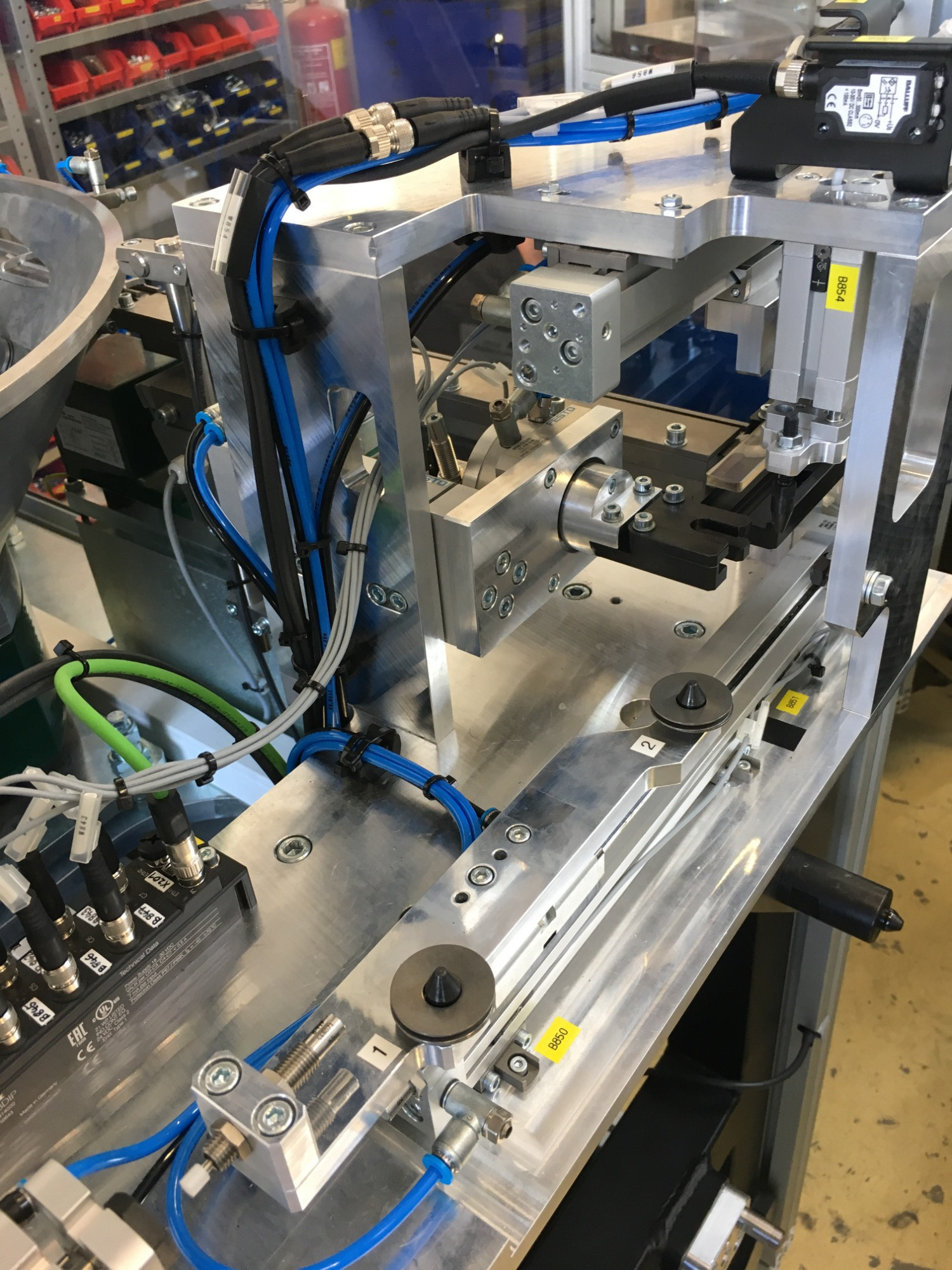
The subject of the implementation was the development and supply of equipment for the assembly of the safety element on the light holders with 100% output control, packaging and palletisation.
In terms of customer requirements, the equipment was designed on the HXG platform - a reconfigurable robotic platform in configuration:
Process description:
Whether you are looking for a supplier of complex system integration, a specific service, or simply need advice.

Each project is unique, but they are all united by automation. It gives you an idea of our capabilities, whether it's robotic applications, our HXG platform, control and single-purpose equipment. We can automate anything.


This site is protected by reCAPTCHA and the Google Privacy Policy and Terms of Service apply.
