2019
1
Metal fabrication, Automotive
35 - 45 CW
5s/pc
Cat. 200k - 250k EUR
Handling, Measuring, Cleaning, Optical inspection, Sorting
Fanuc, Keyence, Siemens, Festo, Schunk
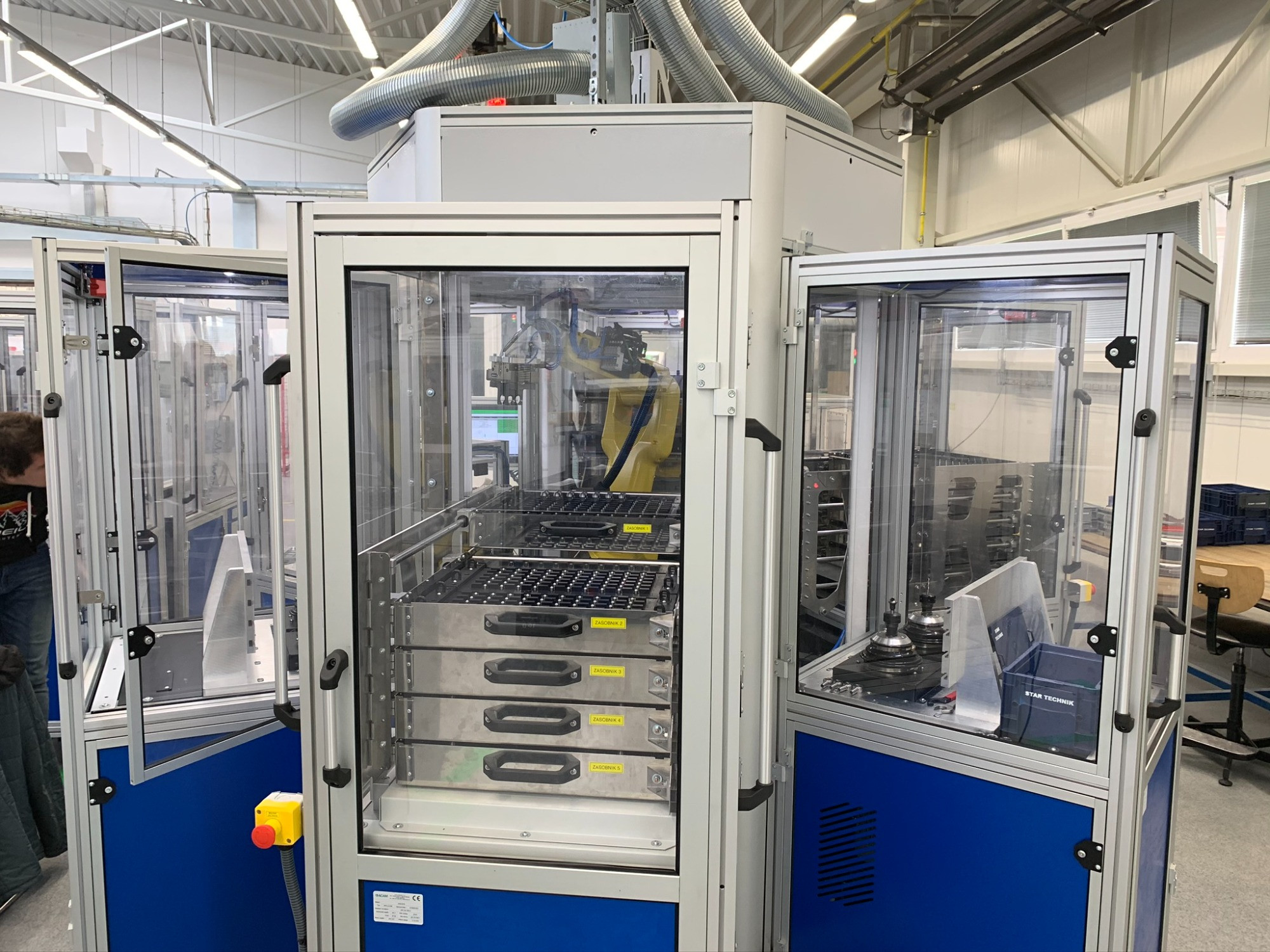
The customer specializes in machining high-precision parts in stainless steel, steel and aluminum. Due to the customer's focus on the automotive and aerospace sectors, particular emphasis is placed on the quality of the goods supplied. Due to the enormous production volume and the shortage of workers on the market, full automation of the process was introduced. With a strong vision to expand the product range and the need to respond to turbulent changes in the future, the customer opted for automation in the form of an HXG platform, which will enable them to respond to change better than a single-purpose machine.
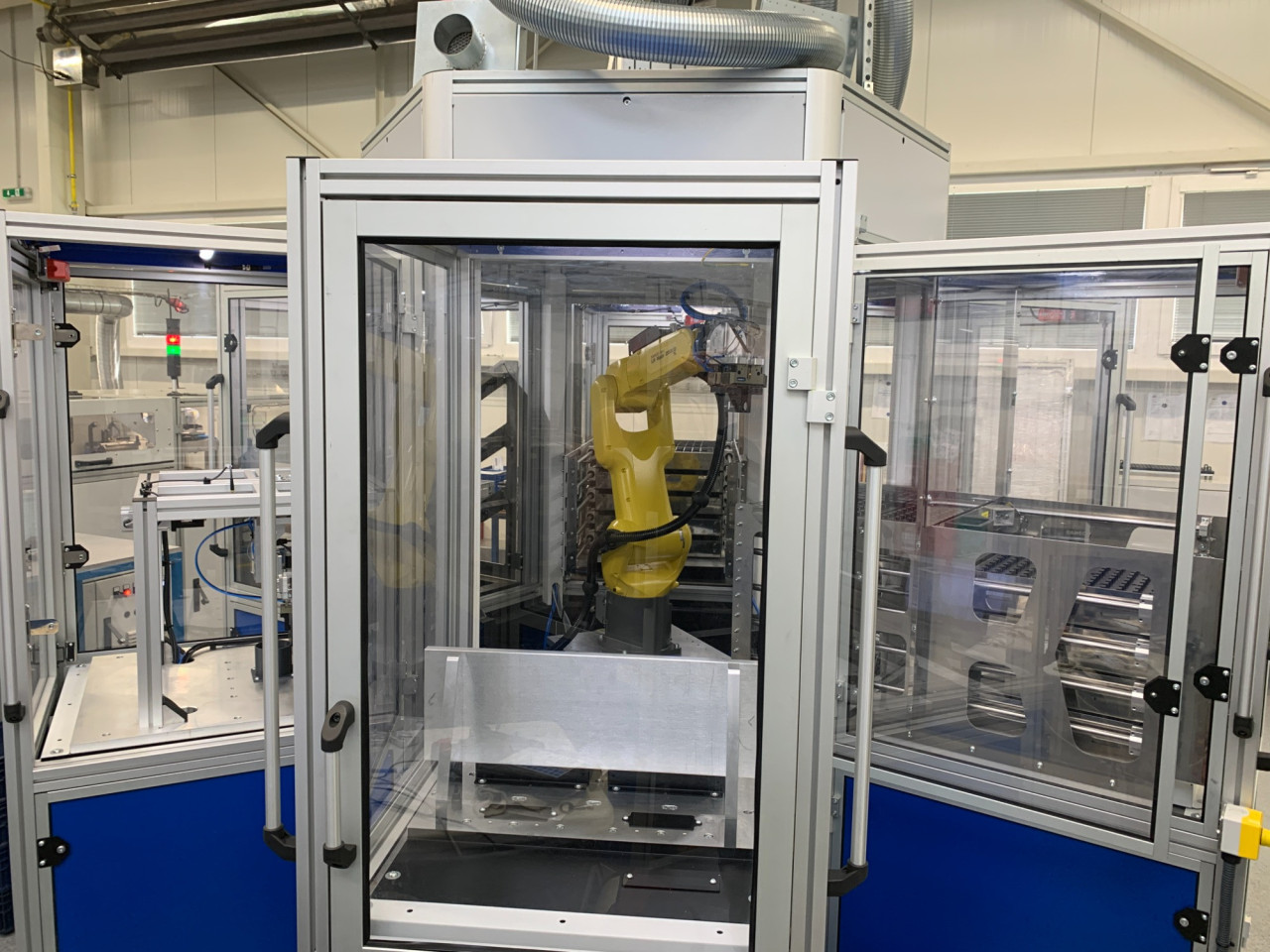
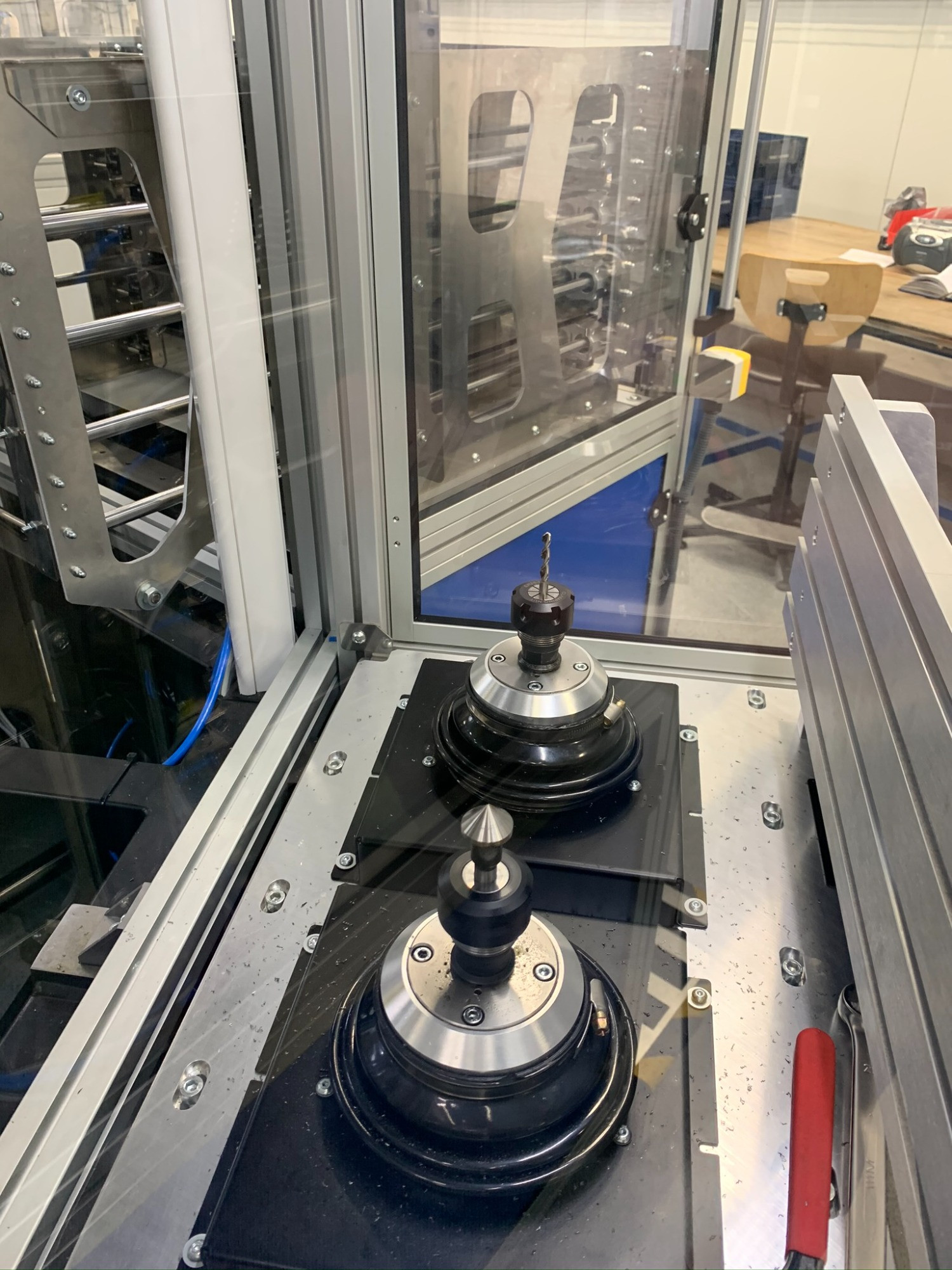
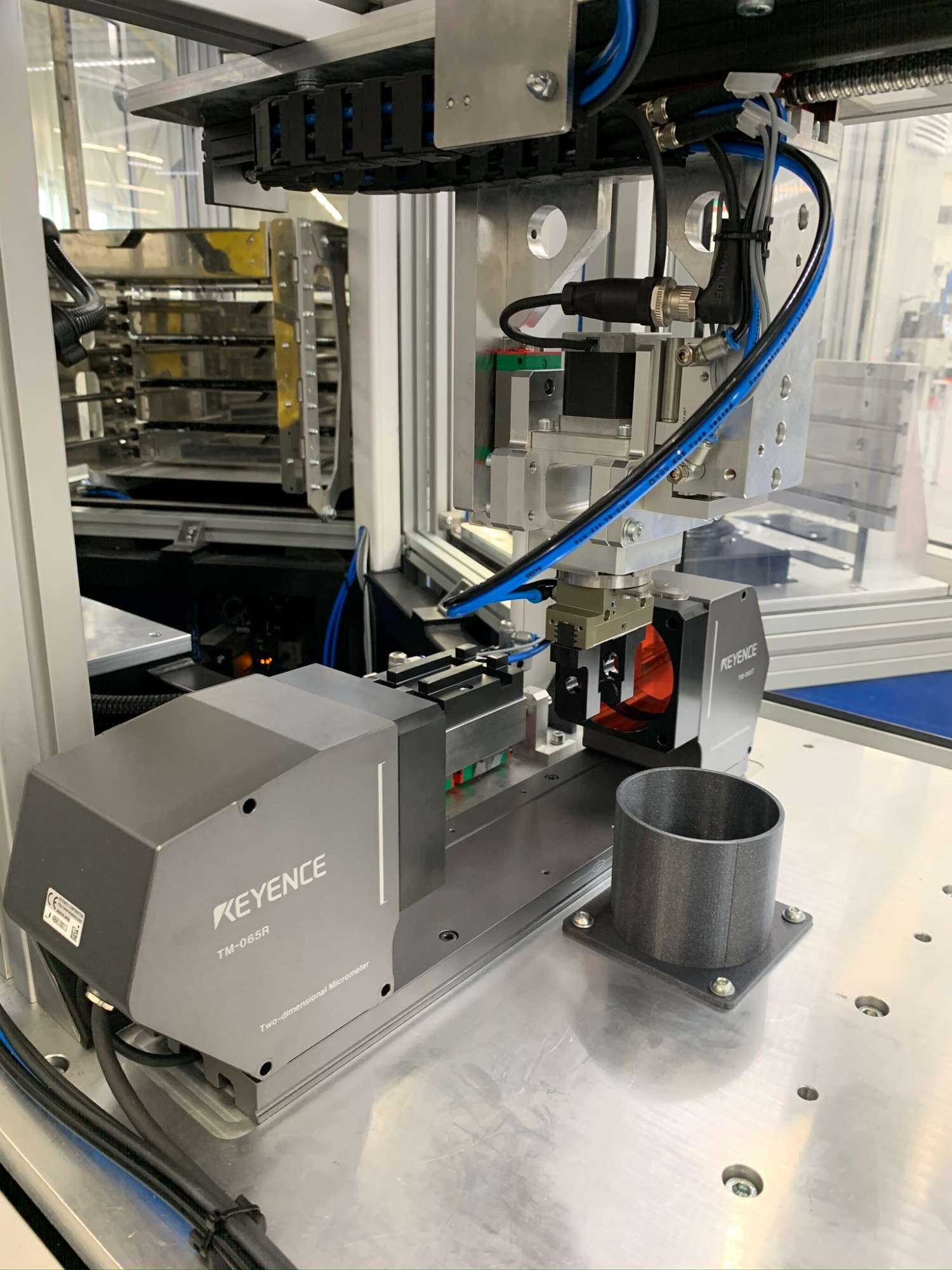
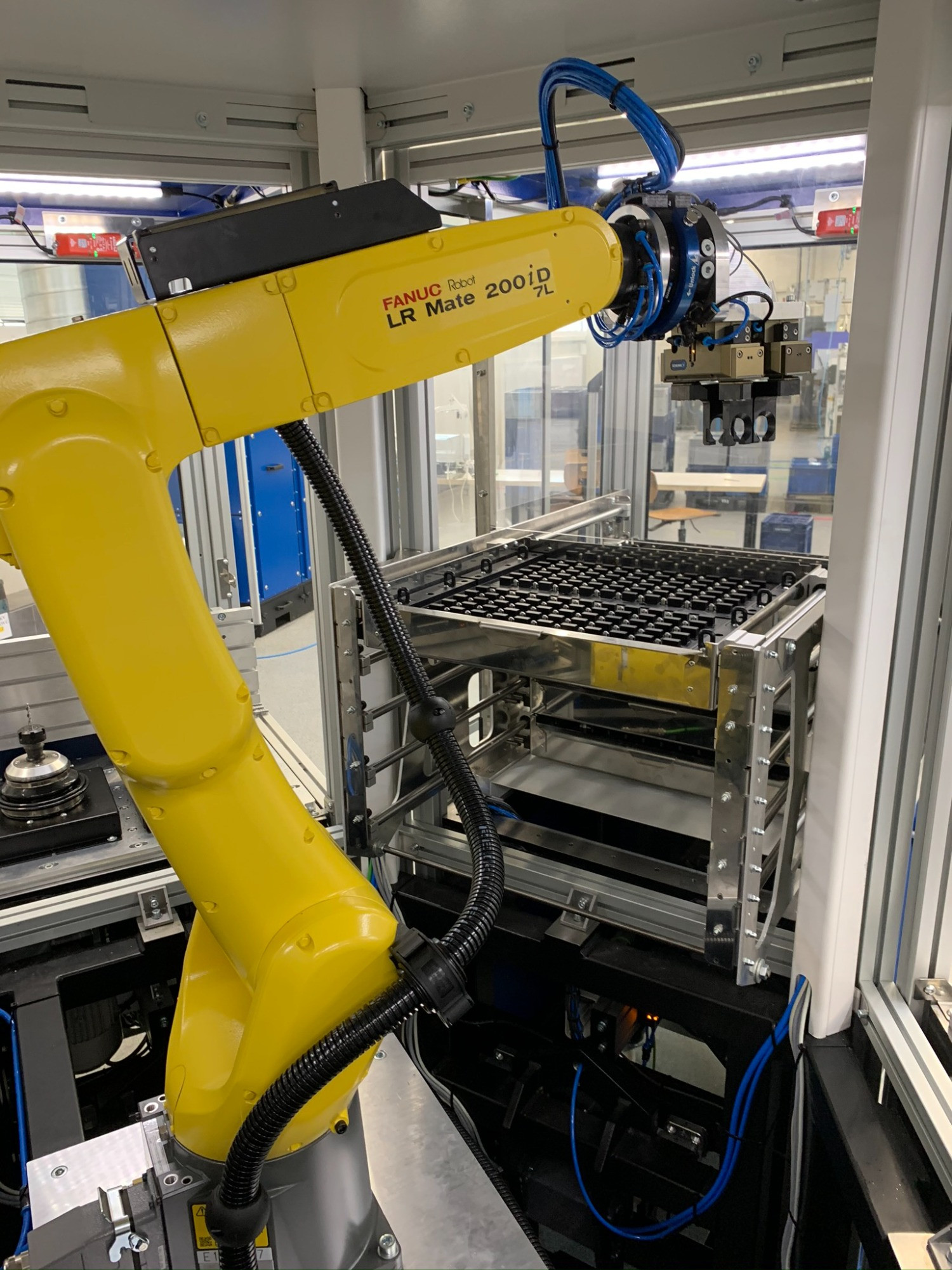
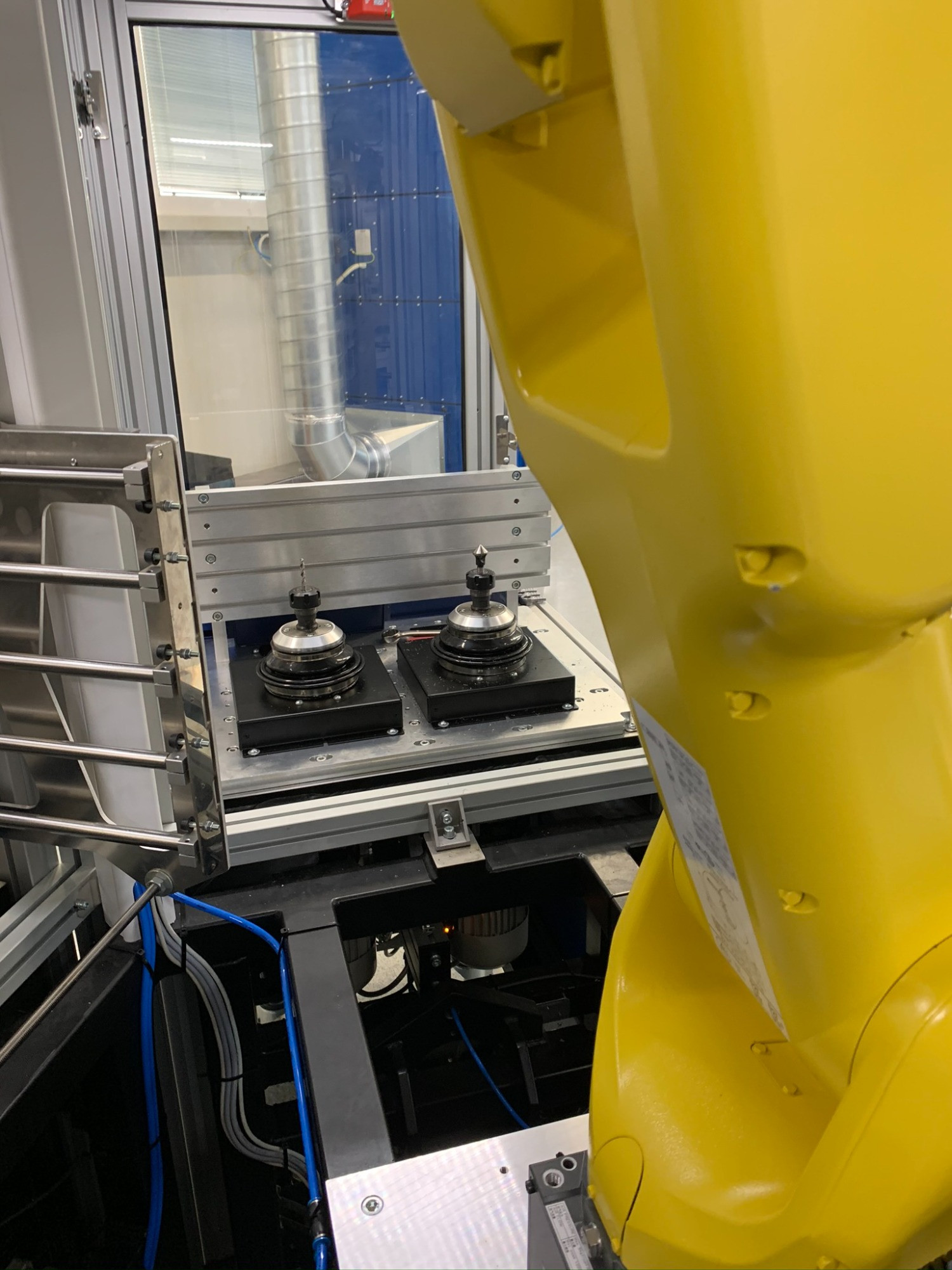
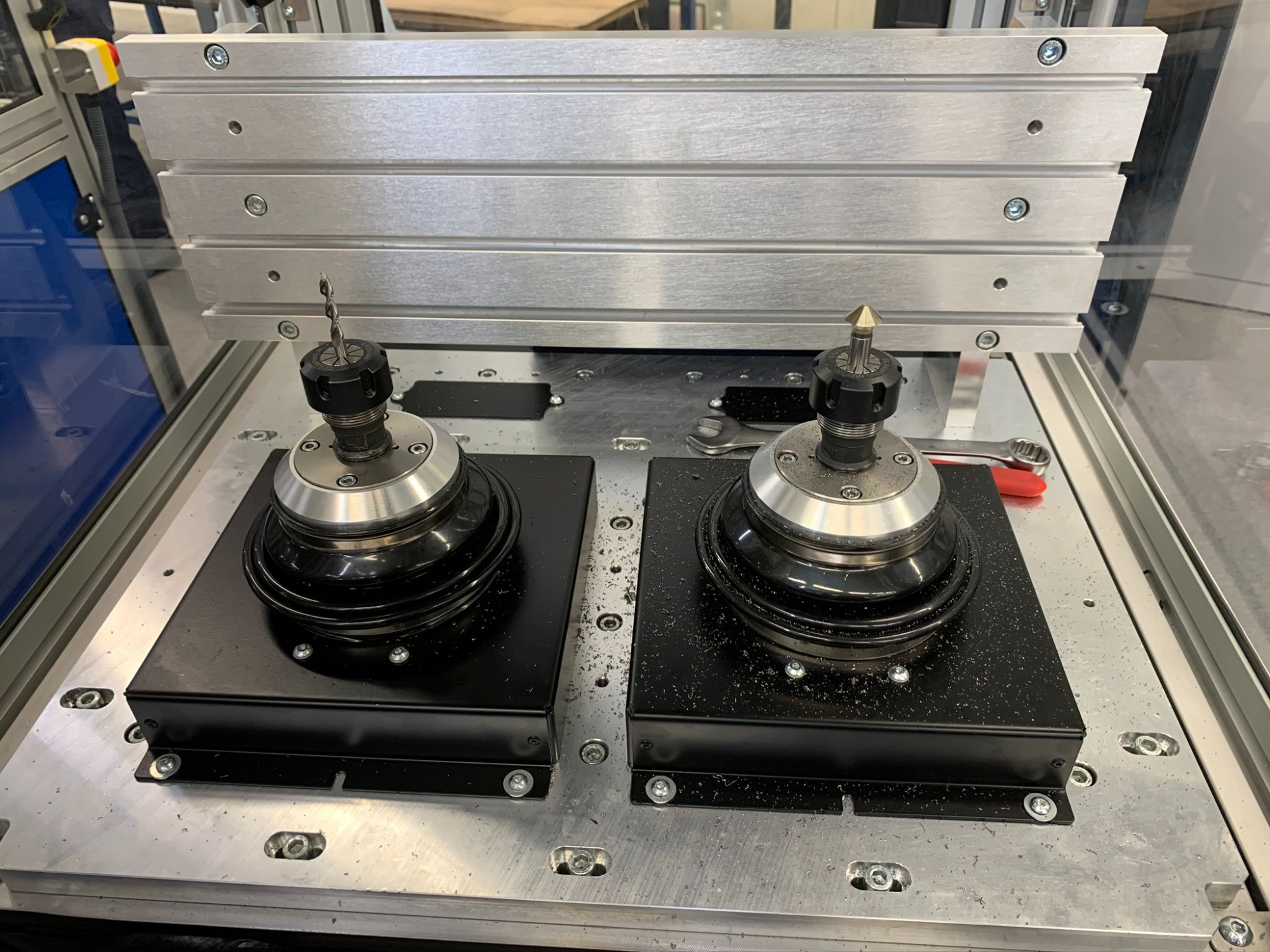
The subject of the implementation was the development and supply of equipment for deburring and stretching of transition holes and exit control. The main parameter to be controlled is the diameter of the hole, the diameters of the notches on the shank.
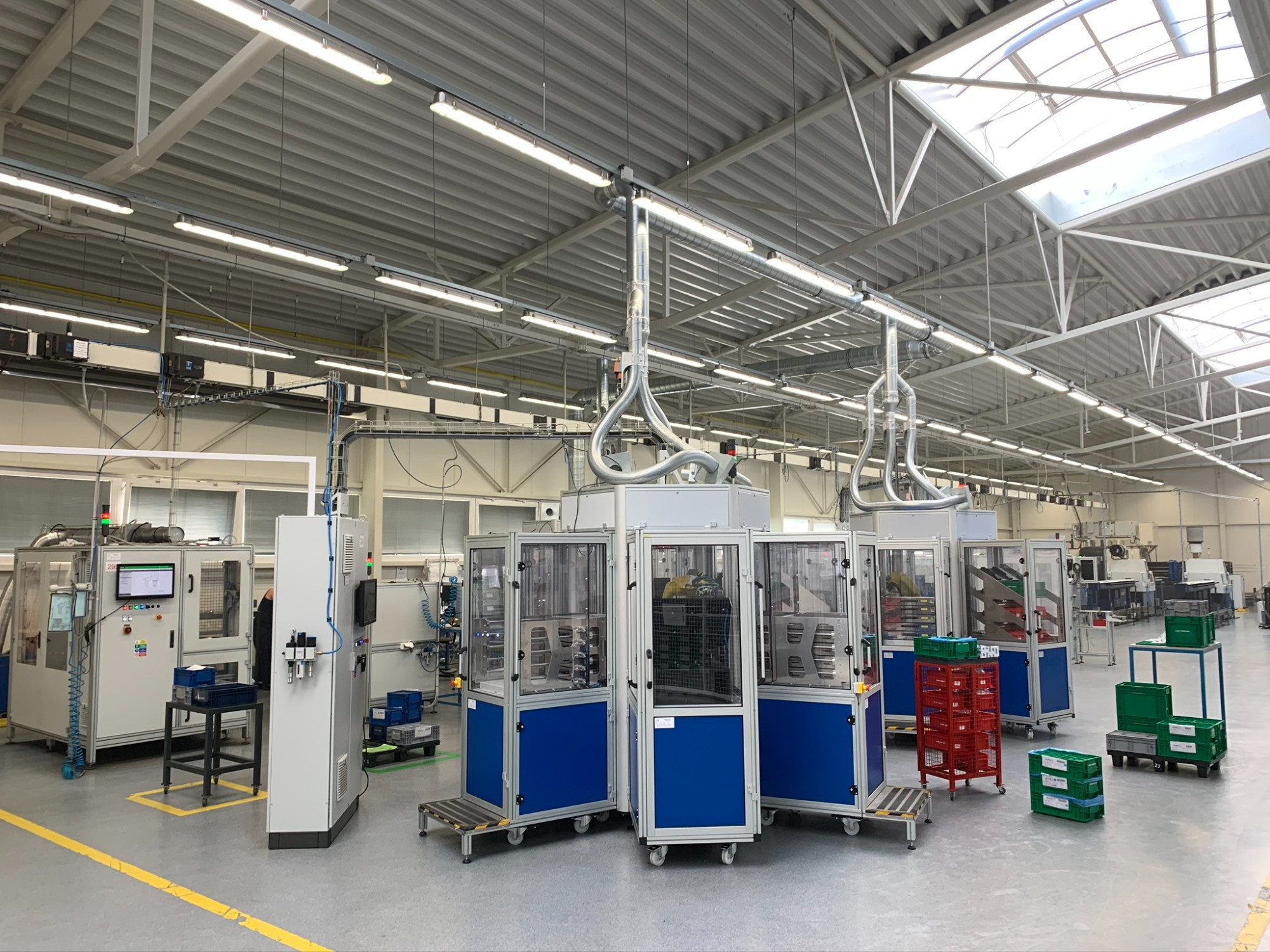
In view of the customer's need for rapid response to changes, the equipment was designed on the HXG platform - a reconfigurable robotic platform in configuration:
Process Description:

Whether you are looking for a supplier of complex system integration, a specific service, or simply need advice.

Each project is unique, but they are all united by automation. It gives you an idea of our capabilities, whether it's robotic applications, our HXG platform, control and single-purpose equipment. We can automate anything.


This site is protected by reCAPTCHA and the Google Privacy Policy and Terms of Service apply.
